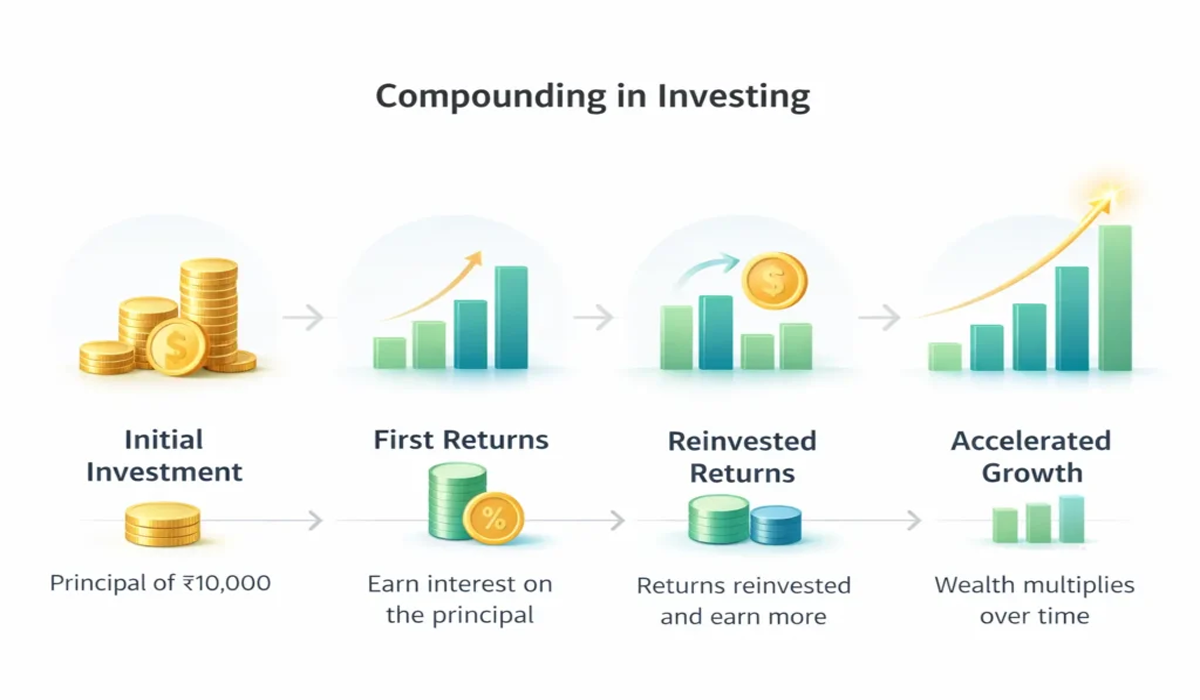
Certificates of Deposit have emerged as one of the most popular financial instruments for savers looking to leverage compound interest.
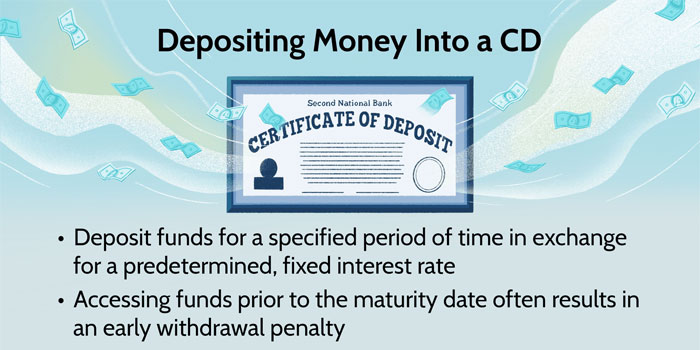
With high-yield rates offered by banks, CDs provide an opportunity to lock in fixed returns over a specified period, making them a strategic tool for wealth accumulation. Unlike regular savings accounts, which may fluctuate with market conditions, CDs allow individuals to secure predictable interest earnings and maximize the benefits of compounding.
Understanding how to use CDs effectively can help both new and experienced investors grow their savings efficiently. With careful planning and a solid grasp of compounding principles, savers can achieve significant long-term financial gains. Below, Investment Ideas For Beginners will discuss it in more detail.
Understanding Certificates of Deposit
A Certificate of Deposit is a financial product offered by banks and credit unions where an individual deposits a sum of money for a fixed period in exchange for a predetermined interest rate. The term lengths can range from a few months to several years, and the interest is typically compounded daily, monthly, or annually.
The Mechanics of CDs and Compound Interest
The primary appeal of CDs lies in their ability to harness compound interest. Each period, the interest earned is added to the principal, allowing future interest calculations to apply to a larger base. For example, a $10,000 deposit in a two-year CD with a 4.5% APY compounded monthly will grow more rapidly than a simple interest account with the same rate, thanks to the exponential effect of compounding.
The longer the term and the higher the interest rate, the more pronounced the benefits of compounding. Savers who reinvest the earned interest or roll over maturing CDs into new high-rate CDs can further amplify their returns over time.
Fixed Rates Provide Predictability
One of the key advantages of CDs over other investment instruments is their fixed interest rate. This feature shields investors from market volatility and interest rate fluctuations. In a period where central banks are expected to adjust rates frequently, locking in a competitive APY ensures that the savings continue to grow steadily without exposure to market risk.
Fixed rates also simplify financial planning. Savers know exactly how much they will earn by the maturity date, which allows for precise goal-setting, whether it’s for a down payment, an emergency fund, or long-term savings.
Also Read: Secrets of Successful Business Owners: How to Manage Finances and Avoid Losses
Strategies to Maximize Returns with CDs
While CDs are straightforward, strategic approaches can enhance their benefits. Savers should consider timing, term selection, and reinvestment strategies to fully capitalize on compounding.
Laddering CDs for Flexibility
CD laddering is a technique where savers split their total investment across multiple CDs with staggered maturities. For instance, one could invest in CDs with 6-month, 12-month, and 24-month terms. As each CD matures, the principal and earned interest can be reinvested in a new CD at prevailing rates.
This approach provides liquidity and reduces the risk of locking all funds into a single long-term CD at an unfavorable rate. Laddering ensures that some portion of the investment becomes accessible at regular intervals while still benefiting from compounding.
Reinvesting Interest for Growth
Reinvesting interest payments is essential for maximizing compound interest. Some CDs allow automatic reinvestment of earned interest into the principal or a new CD. By continuously growing the base amount, the exponential effect of compounding accelerates wealth accumulation over the long term.
Even small contributions or interest additions can have a significant impact when compounded over several years, demonstrating the power of consistent reinvestment.
Choosing the Right Term Length
Selecting the appropriate term length is a critical decision. Longer-term CDs often offer higher interest rates but tie up capital for extended periods. Shorter-term CDs provide flexibility but usually at a slightly lower rate. Savers must balance the desire for higher returns with the need for access to funds, aligning the CD term with specific financial goals.
Potential Challenges and Considerations
Despite their benefits, CDs are not without limitations. Early withdrawal penalties can reduce or eliminate interest earned, making it crucial to avoid locking funds that may be needed unexpectedly. Inflation can also erode the real value of fixed returns, particularly over longer terms.
To mitigate these risks, individuals should diversify across multiple terms, consider inflation-protected accounts, and maintain a portion of their portfolio in more liquid or variable-rate instruments. Understanding the fine print of each CD and its compounding schedule is essential for maximizing returns.