
Learn smart strategies to start investing, grow your wealth consistently, minimize risks, and achieve long term financial freedom successfully.
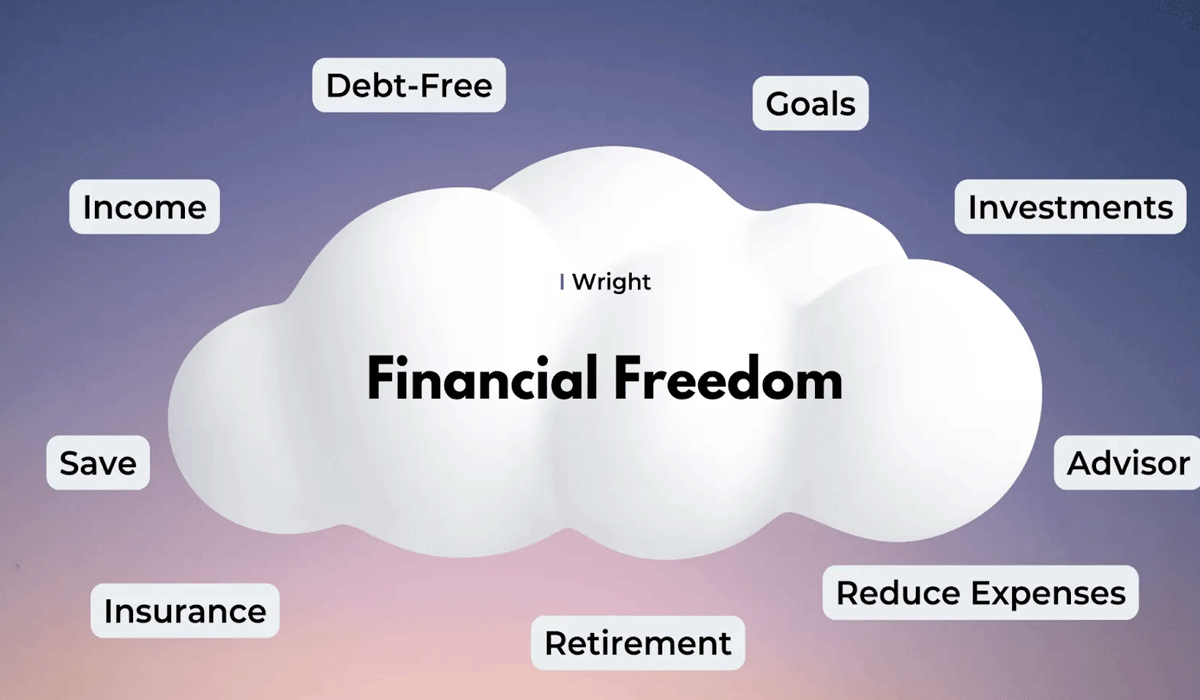
Many people delay investing because they believe it requires large amounts of money or expert knowledge. In reality, starting small with the right strategy can lead to significant long-term results. This guide will Investment Ideas For Beginners walk you through practical and smart ways to begin your investing journey and move toward financial freedom.
Understanding The Basics Of Investing
Before diving into investments, it is important to understand what investing really means. Investing involves putting your money into assets with the expectation of generating returns over time. These assets can include stocks, bonds, or mutual funds, each carrying different levels of risk and reward.
Learning the fundamentals helps you make informed decisions and avoid common mistakes. Instead of chasing quick profits, focus on building knowledge about how markets work. A strong foundation will give you confidence and reduce the chances of making emotional decisions.
Setting Clear Financial Goals
Successful investing always starts with a clear purpose. Whether your goal is retirement, buying a home, or achieving financial independence, defining your objectives will shape your investment strategy. Without goals, it becomes easy to lose direction.
Short-term and long-term goals require different approaches. For example, long-term goals allow you to take more calculated risks, while short-term goals may require safer investments. Having clarity ensures that every financial decision aligns with your desired outcome.
Starting With Small And Consistent Investments
You do not need a large amount of money to begin investing. Starting small and investing consistently is often more effective than waiting for the perfect moment. This approach, often called disciplined investing, helps build wealth gradually.
Consistency also reduces the impact of market fluctuations. By investing regularly, you buy assets at different price levels, which can balance risks over time. The key is to stay committed and avoid stopping during market downturns.
Also Read: A Complete Guide To Managing Personal Finance For Stability And Success
Diversifying Your Investment Portfolio
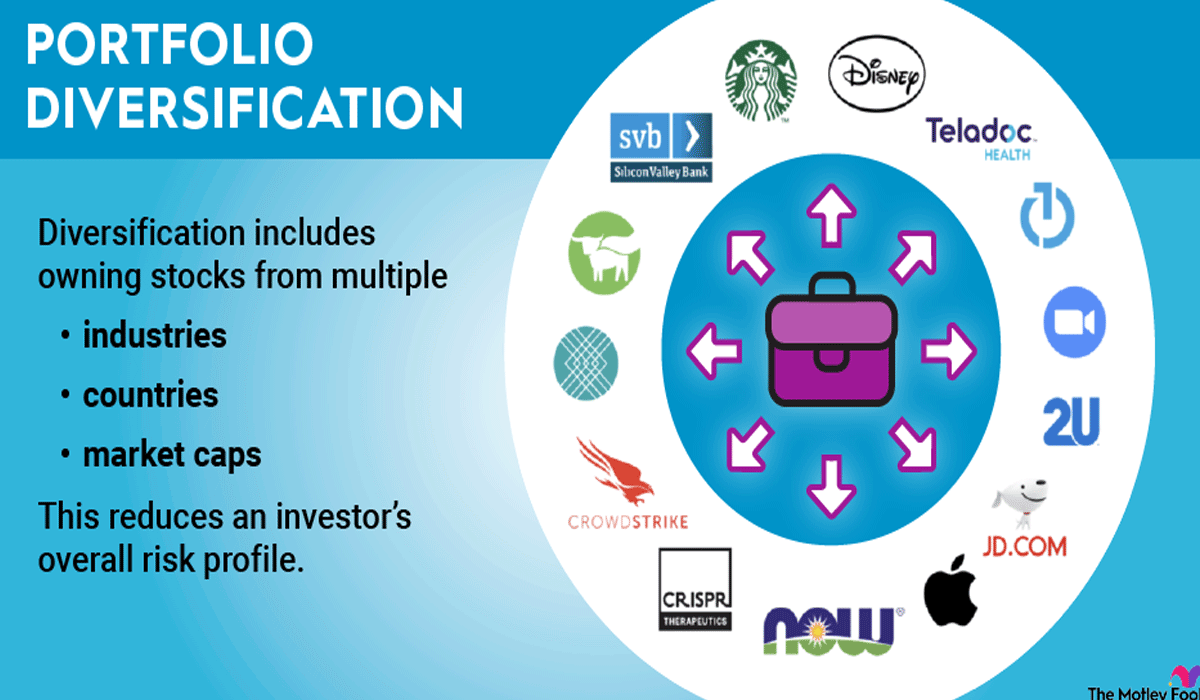
Diversification is a key strategy to reduce risk in investing. Instead of putting all your money into one type of asset, spread it across different investment options. This way, if one investment performs poorly, others may balance the loss.
A well-diversified portfolio may include a mix of stocks, bonds, and other assets. This approach provides stability and increases the chances of consistent returns. Diversification does not eliminate risk, but it makes your investment journey more secure.
Maintaining A Long-Term Perspective
Investing is not a get-rich-quick scheme. It requires patience and a long-term mindset. Market fluctuations are normal, and reacting emotionally to short-term changes can harm your progress.
Staying focused on your long-term goals helps you remain disciplined. Over time, the power of compounding can significantly grow your investments. The longer you stay invested, the greater the potential for financial freedom.
Conclusion
Starting your investment journey does not have to be complicated or overwhelming. By understanding the basics, setting clear goals, investing consistently, diversifying your portfolio, and maintaining a long-term perspective, you can build a strong financial future. Each step you take brings you closer to financial independence.
Financial freedom is achievable for anyone willing to stay disciplined and patient. The key is to start early, remain consistent, and continue learning along the way. With smart strategies and commitment, your investments can grow and support the life you envision. Don’t miss out! Keep following our page for upcoming news, only on Investment Ideas For Beginners.
Image Source From
First Photo From: www.wrightresearch.in
Second Photo of: www.fool.com