Stock market fluctuations are often considered a risk, but behind the price fluctuations, there are actually golden opportunities for savvy investors to profit.
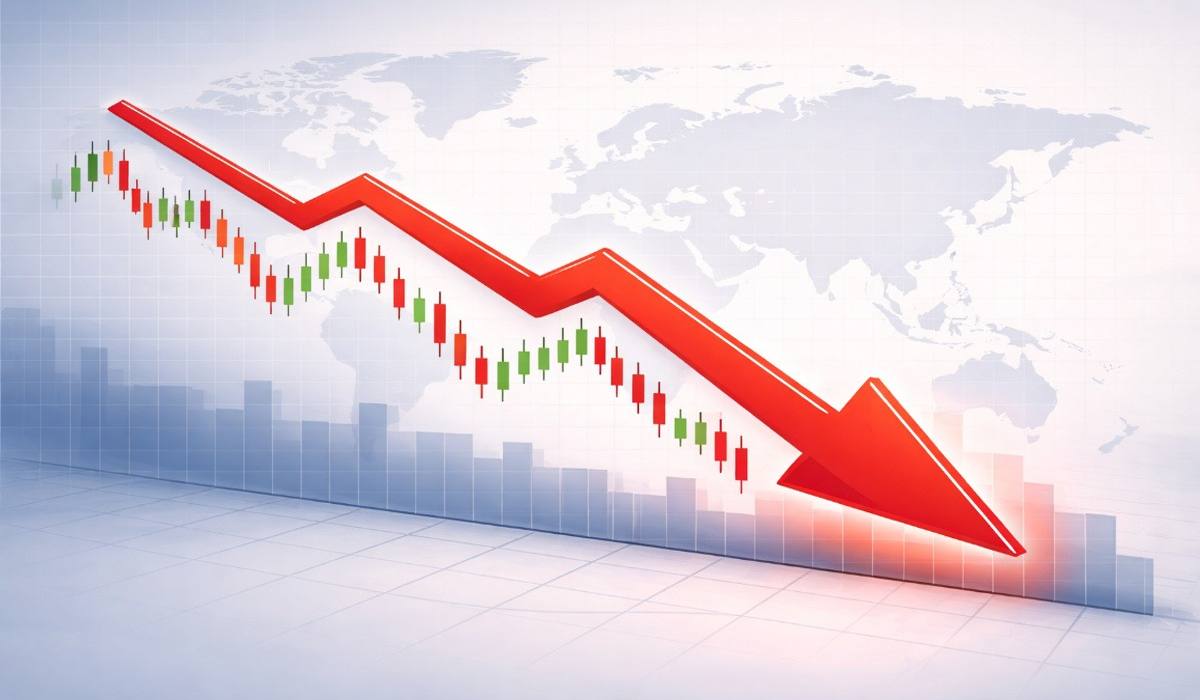
Stock market movements are often considered frightening by some, especially when sharp declines trigger fears of loss. However, for investors who understand how the market works, the rise and fall of stock prices is not a disaster, but rather a natural part of economic dynamics that actually holds hidden opportunities.
These fluctuations reflect changes in market sentiment, economic conditions, and company performance, which continue to evolve over time. In the world of investing, the ability to spot opportunities amidst uncertainty is one of the main keys to success.
Understanding the Nature of Stock Market Movements
The stock market essentially fluctuates in response to various economic and psychological factors. No market moves in a straight line without fluctuation. Changes in stock prices can be influenced by company financial reports, global economic conditions, government policies, and even investor perceptions of the future.
These fluctuations are often misinterpreted as warning signs, but they are actually a normal part of the market cycle. In the long term, the stock market tends to grow in line with economic development and company innovation. Therefore, understanding the nature of these movements helps investors avoid reacting emotionally to short-term changes.
Investor Fear and Misperceptions
One of the main reasons why many people panic when the market declines is due to a lack of understanding of the mechanics of investing. Price declines are often perceived as permanent losses, when in many cases they are only temporary.
This fear often drives investors to sell their assets at low prices, thus locking in unrealized losses. This misperception occurs because many people view investing from a short-term perspective, rather than a long-term perspective.
In fact, throughout the history of the stock market, declines have always been followed by recovery and growth. Investors who are able to survive periods of volatility usually achieve greater returns in the future.
Opportunities Behind Market Declines
Market declines often create opportunities that panic investors overlook. When stock prices fall, strong companies become less valuable than normal. This provides an opportunity for long-term investors to purchase quality assets at a discount.
Many successful investors take advantage of sluggish market conditions to strengthen their portfolios. They view downturns not as threats, but as opportunities to accumulate assets with strong fundamentals. This approach requires patience and confidence in a company’s long-term value, rather than simply following daily price movements.
Also Read: Understanding Compound Interest And How It Grows Your Wealth Over Time
The Importance of a Long-Term Perspective

In stock investing, a long-term perspective is crucial to the final outcome. Daily or monthly movements often don’t reflect a company’s true value. Focusing on the short term can actually obscure the bigger picture of growth potential.
Successful investors typically have the ability to ignore market noise and stick to their long-term strategy. They understand that wealth growth in stocks doesn’t happen overnight, but rather through the accumulation of value over time. With this perspective, market fluctuations are no longer seen as a threat but as part of the growth process.
Strategies for Dealing with Market Volatility
Dealing with fluctuating markets requires a well-thought-out and disciplined strategy. One frequently used approach is diversification, which involves spreading investments across various sectors to reduce risk.
Furthermore, consistency in investing is also important. By investing regularly, investors can mitigate the impact of price fluctuations because purchases are made across various market conditions.
Disciplined adherence to an investment plan also helps investors avoid being swayed by momentary emotions. With a clear strategy, market volatility can be faced with more composure and balance.
The fluctuations in the stock market are not a disaster, but rather a natural part of economic dynamics that can reveal hidden opportunities for investors who discern them. Price fluctuations reflect normal changes in the market system and do not necessarily mean permanent losses.