

Managing personal finance is one of the most essential life skills, yet many people overlook its importance until challenges arise.

With the right approach, financial stability and long-term success are achievable for anyone, regardless of income level. This guide Investment Ideas For Beginners explores practical strategies to help you take control of your finances, build security, and create a sustainable future.
Understanding Your Financial Situation
The first step toward financial stability is gaining a clear understanding of your current financial position. This includes tracking your income, expenses, debts, and savings. When you know exactly where your money is going, you can identify patterns and make better decisions.
Creating a simple financial overview helps you recognize areas that need improvement. Whether it’s overspending on unnecessary items or underestimating monthly costs, awareness is the foundation of effective money management. Without this clarity, it becomes difficult to set realistic goals.
Building A Practical Budget
A well-structured budget acts as a roadmap for your financial journey. It ensures that your income is allocated wisely across essential needs, savings, and discretionary spending. The goal is not restriction, but balance and control.
Start by categorizing your expenses into fixed and variable costs. Then assign limits based on your income and priorities. Consistency is key, review your budget regularly and adjust it as your financial situation evolves. A flexible budget keeps you on track without feeling overwhelmed.
Establishing An Emergency Fund
Unexpected expenses can disrupt even the most carefully planned finances. That’s why having an emergency fund is crucial. This fund acts as a financial safety net during situations such as medical emergencies, job loss, or urgent repairs.
Aim to save at least three to six months’ worth of living expenses. Begin with small, consistent contributions and gradually build your reserve. Even modest savings can make a significant difference in reducing stress and preventing debt during emergencies.
Also Read: The Rarely Discussed Secret of Successful Investors
Managing Debt Wisely
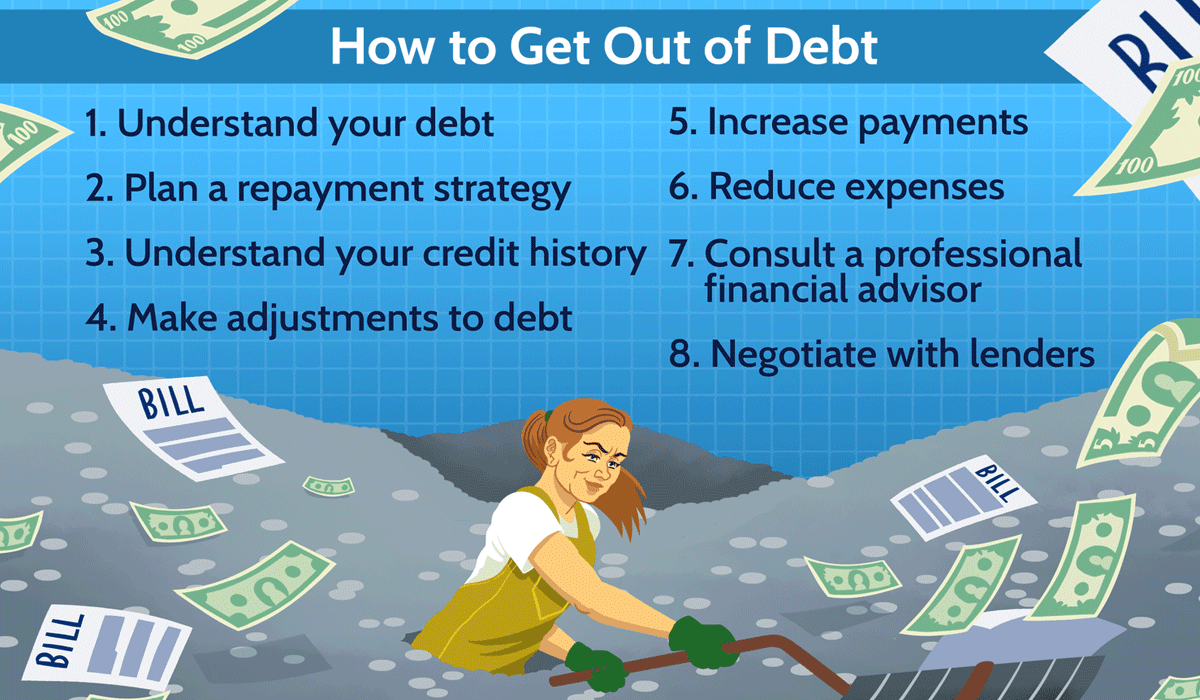
Debt can either support your goals or hinder your progress, depending on how it is managed. Understanding the difference between productive debt and harmful debt is essential. Loans for education or business may offer long-term benefits, while high-interest consumer debt can quickly become a burden.
Focus on paying off high-interest debts first while maintaining minimum payments on others. Avoid accumulating unnecessary debt by practicing mindful spending. With discipline and planning, debt can be reduced and eventually eliminated, freeing up resources for savings and investments.
Investing For Long-Term Growth
Saving money is important, but investing is what helps your wealth grow over time. Investments allow your money to work for you, generating returns that can outpace inflation. This is a critical step toward achieving financial independence.
Start by understanding different investment options such as stocks, bonds, or mutual funds. Choose strategies that align with your risk tolerance and financial goals. Consistency and patience are key, long-term investing often yields better results than short-term speculation.
Conclusion
Managing personal finance is not about perfection, but about making consistent and informed decisions. By understanding your financial situation, creating a budget, preparing for emergencies, managing debt, and investing wisely, you build a strong foundation for stability. Each step contributes to a more secure and confident financial future.
Ultimately, financial success is a journey that requires discipline, patience, and continuous learning. Small, positive habits practiced over time can lead to significant results. With commitment and the right strategies, anyone can achieve financial stability and long-term success. Don’t miss out! Keep following our page for upcoming news, only on Investment Ideas For Beginners.
Image Source From
First Photo From: qsalary.com
Second Photo of: www.investopedia.com