The way individuals manage money is rapidly evolving alongside advances in digital technology.

From mobile banking to automated investing, financial decisions are increasingly shaped by innovation. This transformation is not only changing how people spend and save, but also how they think about wealth, security, and long-term planning in an interconnected global environment Investment.
Digital Banking and Accessibility
Digital banking has significantly improved access to financial services for people around the world. With just a smartphone, individuals can open accounts, transfer funds, and monitor transactions in real time. This convenience reduces reliance on physical branches and creates a more inclusive financial environment.
In developing regions, digital banking plays a crucial role in reaching unbanked populations. By lowering entry barriers, it enables individuals to participate in the formal economy. As a result, more people can save securely and access financial tools that were once unavailable.
However, increased accessibility also brings challenges such as cybersecurity risks and data privacy concerns. Financial institutions must invest in robust security measures while educating users about safe practices. Trust will remain a key factor in the continued growth of digital banking.
The Rise of Cashless Transactions
Cashless payments are becoming the norm in many societies. Digital wallets, contactless cards, and QR-based systems offer speed and convenience for everyday transactions. These methods streamline purchasing processes and reduce the need to carry physical currency.
For businesses, cashless systems improve efficiency and provide valuable insights into consumer behavior. Transaction data can be analyzed to enhance services and tailor offerings. This shift also supports the growth of e-commerce and remote transactions.
Despite these benefits, reliance on digital payments raises concerns about financial exclusion for those without access to technology. Ensuring equal participation requires infrastructure development and education. Balancing innovation with inclusivity remains an important goal.
Read Also: 5 Simple Investment Ideas Every Beginner Should Try
Personal Finance Apps and Automation
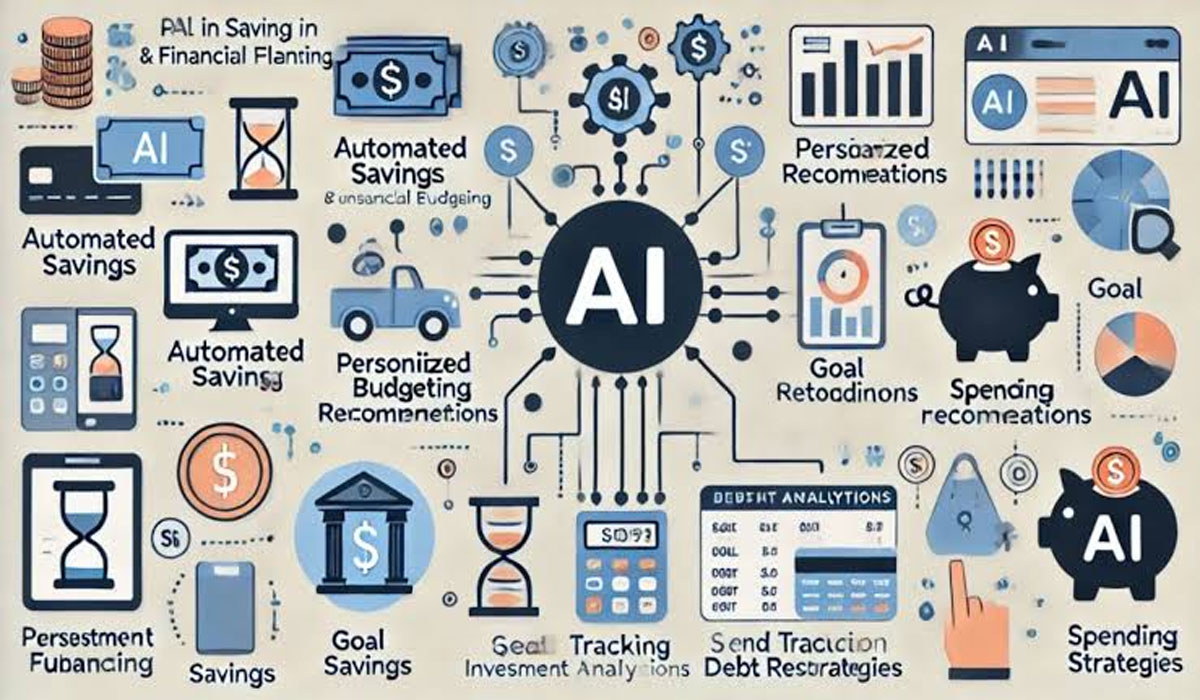
Personal finance applications are transforming how individuals manage their money. These tools track spending, set budgets, and provide insights into financial habits. Automation simplifies complex tasks such as bill payments and savings contributions.
By using algorithms, these applications can recommend personalized strategies for improving financial health. This guidance empowers users to make informed decisions and achieve their goals more efficiently. Over time, consistent use can lead to better financial discipline.
However, overreliance on automation may reduce financial awareness if users disengage from active decision-making. It is important to combine technology with financial education. Understanding the reasoning behind recommendations ensures long-term benefits.
Investment in the Digital Age
Investing has become more accessible due to digital platforms and tools. Individuals can now participate in markets with minimal capital and gain exposure to diverse assets. This democratization of investing opens opportunities for wealth building.
Robo-advisors and algorithm-driven tools simplify portfolio management. They assess risk tolerance and allocate assets accordingly. This approach reduces the complexity traditionally associated with investing and appeals to new investors.
Nevertheless, digital investing also carries risks, including market volatility and misinformation. Investors must remain cautious and conduct proper research. A balanced approach that combines technology with critical thinking is essential for success.
Financial Literacy in a Connected World
As financial tools become more advanced, the need for financial literacy grows. Understanding basic concepts such as budgeting, saving, and investing is crucial in navigating the digital economy. Education empowers individuals to make sound decisions.
Online resources and educational content make learning more accessible than ever. People can acquire knowledge through videos, articles, and interactive tools. This availability supports continuous learning and adaptation to changing financial landscapes.
However, the abundance of information can be overwhelming and sometimes misleading. Identifying credible sources is vital. Strengthening financial education systems will help individuals build confidence and resilience in managing their finances.
Data Security and Privacy Concerns
With the rise of digital finance, protecting personal data has become a major concern. Financial transactions generate sensitive information that must be safeguarded against breaches and misuse. Strong encryption and secure systems are essential.
Consumers also play a role in maintaining security by using strong passwords and being cautious with shared information. Awareness of potential threats can reduce risks and enhance overall safety in digital financial activities.
At the same time, companies must prioritize transparency in how data is collected and used. Clear policies and ethical practices build trust with users. Maintaining this trust is critical for the sustainable growth of digital finance.
Conclusion
The future of personal finance in a digital economy offers both opportunities and challenges. Technological advancements are making financial tools more accessible, efficient, and personalized. These innovations have the potential to improve financial well-being for individuals worldwide.
However, success in this evolving landscape requires a balance between embracing technology and maintaining financial awareness. By combining innovation with education and security, individuals can navigate the digital economy with confidence and resilience.
Image Source:
- First Image from: finance-monthly.com
- Second Image from: digicrusader.com