Investing can feel intimidating for beginners, many people worry about losing money or making the wrong decision due to lack of experience.

Yet, starting early is one of the smartest ways to secure long-term financial stability. With clear strategies and basic understanding, anyone can start investing safely and wisely. Here are some practical ideas and tips to guide beginners on their investment journey. The following Investment Ideas For Beginners will provide ways to understand investing, which is not only beneficial for beginners, but also important for building long-term financial stability.
Know the Basics Before You Invest
Before putting money into the market, it’s essential to understand the fundamentals of investing. Investing is not a shortcut to wealth; it’s a way to grow your assets over time. Beginners should familiarize themselves with different investment types like stocks, bonds, mutual funds, and real estate to choose what aligns best with their goals.
Understanding risk and potential returns is equally important. Stocks can offer high gains but come with high risk, while bonds tend to be safer with steadier returns. Knowing these differences helps beginners make smarter decisions without unnecessary panic.
It’s also helpful to learn key investment terms such as diversification, liquidity, and return on investment (ROI). This knowledge can protect against unclear investment traps and maximize profit while keeping risks manageable.
Start Small with Safe Options
For beginners, starting with low-risk investments is a smart move. Examples include money market funds or bank deposits. These options carry minimal risk and provide more stable returns compared to volatile investments.
Low-risk investments build confidence for those new to managing money. Even a small amount can be invested in mutual funds gradually, letting beginners learn without the pressure of losing a large sum.
Choosing a reliable investment platform is also crucial. Ensure it’s officially registered with financial authorities and offers educational resources. Safety and transparency prevent fraud and create a secure environment for new investors.
Also Read: Navigate The Share Market Successfully With Smart Investment Tips
Spread Your Risk with Diversification
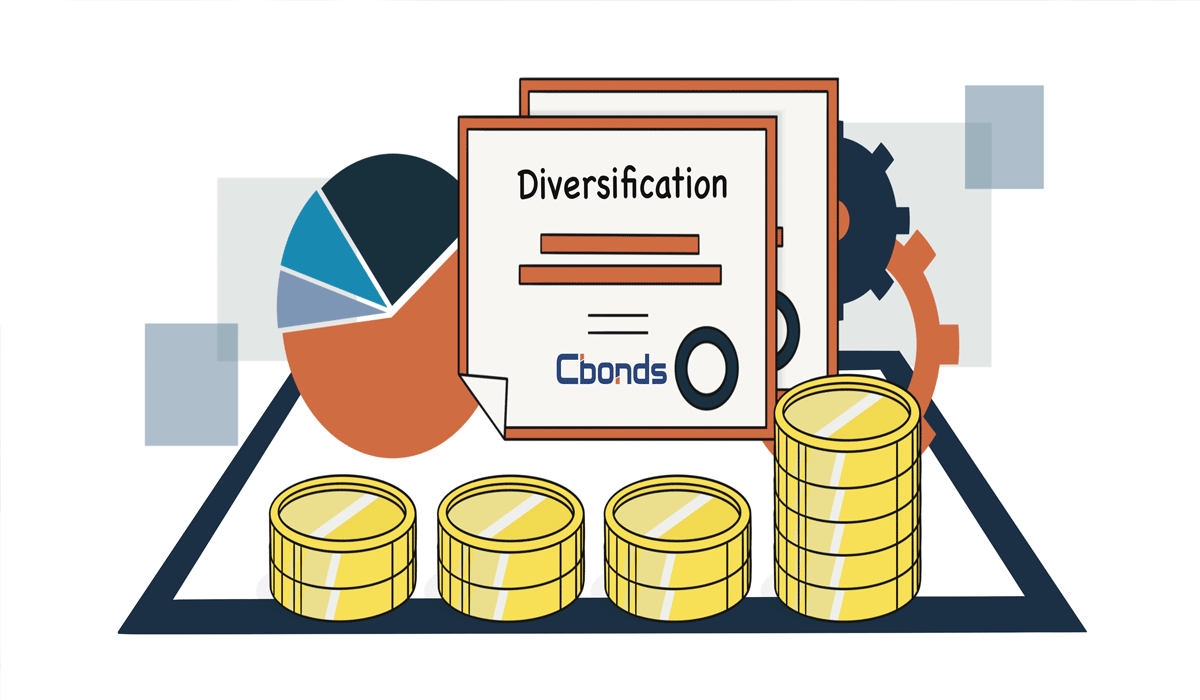
One of the most important rules of investing is diversification. This means spreading money across different types of investments so that losses in one area don’t hurt your entire portfolio. Beginners can split investments between stocks, mutual funds, and bonds.
Diversification helps reduce potential losses if one investment drops in value. Spreading your money allows you to maintain growth potential even during market fluctuations. A balanced approach, like 50% in safe options and 50% in medium-risk ones, is often recommended.
Diversification also applies to time. Investing for the long term can balance out short-term market ups and downs. This strategy teaches beginners money management while instilling long-term financial discipline.
Learn and Use Technology
Technology makes investing easier than ever. Apps and platforms offer educational tools, simulations, and practical tips for portfolio management. Beginners can learn strategies without risking large sums upfront.
Joining investment communities or forums is another great way to gain insights. Hearing from experienced investors, learning from their mistakes, and exchanging tips can boost confidence and understanding.
Additionally, technology allows investors to track their portfolios regularly. Monitoring progress, calculating potential gains, and adjusting strategies ensures investments remain on course. Regular evaluation makes investing safer and more effective.
Patience and Consistency Are Key
Investing is not a race; it’s a long-term journey. Beginners need patience to allow their money to grow over time. Understanding that short-term market changes are normal helps prevent panic selling.
Consistency matters more than size. Regularly contributing even small amounts builds wealth steadily. Over time, these contributions grow thanks to compounding, turning small efforts into significant results.
Finally, combining patience, learning, and consistency ensures a safer, smarter investment path. Starting small, diversifying, and monitoring progress builds financial security while minimizing risk for beginners.