Learn how to manage your finances efficiently using e-wallets and fintech solutions in the digital age for smarter money management.
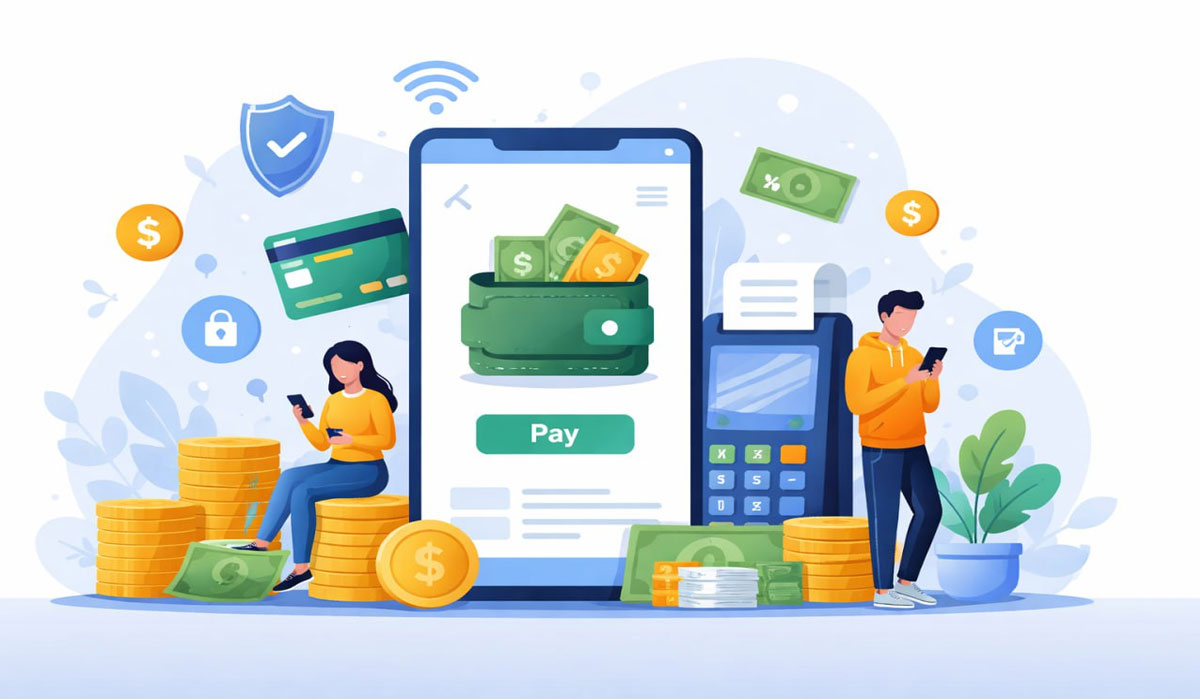
The way we manage money has transformed dramatically in the digital age. Gone are the days when cash and traditional banking dominated financial transactions. Today, e-wallets and fintech solutions offer convenient, secure, and efficient ways to manage personal finances. From paying bills to investing, technology is reshaping how we think about money. Understanding these tools is essential for anyone looking to optimize their financial health in the modern world.
This Investment Ideas For Beginners explores how to manage your finances efficiently using e-wallets and fintech solutions in the digital age for smarter money management.
Understanding E-Wallets
E-wallets are digital tools that allow users to store money electronically, make payments, and even receive funds directly on their smartphones. Popular examples include Apple Pay, PayPal, and Google Wallet.
E-wallets provide instant transactions, reducing the need to carry cash or visit physical bank branches. They also often come with added security features such as encryption, two-factor authentication, and fraud detection, making them safer than traditional wallets in many scenarios.
How Fintech Is Revolutionizing Personal Finance
Fintech, short for financial technology, is changing the landscape of financial services. Platforms like budgeting apps, investment tools, and automated payment systems simplify complex financial tasks.
Users can track spending, set savings goals, or even invest in stocks and cryptocurrencies with just a few taps. Fintech bridges the gap between convenience and financial literacy, helping individuals make smarter decisions without extensive prior knowledge.
Also Read: The Rarely Discussed Mindset of Rich People in Managing Money
Benefits Of Digital Financial Management
The advantages of using e-wallets and fintech solutions go beyond convenience. Digital finance tools offer real-time tracking of expenses, making it easier to stick to budgets and avoid overspending. Notifications and reminders ensure bills are paid on time, preventing late fees.
Many platforms also provide insights into spending patterns, helping users identify areas to cut costs or increase savings. Additionally, digital tools reduce the reliance on physical banking, saving time and effort.
Security Considerations And Best Practices
While digital finance tools are convenient, they come with security risks. Users must adopt best practices such as strong, unique passwords, enabling two-factor authentication, and monitoring accounts regularly for suspicious activity.
Avoid connecting e-wallets to unsecured public Wi-Fi networks and always update apps to the latest versions. Educating yourself on potential scams and phishing attempts can prevent losses and ensure your digital transactions remain secure.
Future Trends In Digital Finance
The future of finance is increasingly digital. Emerging technologies like AI-driven financial advisors, blockchain-based payment systems, and instant cross-border transfers are set to redefine money management.
As fintech platforms continue to innovate, consumers will gain more control, flexibility, and transparency over their finances. Embracing these tools today can provide a significant advantage in building long-term financial stability.
Conclusion
Managing finances in the digital age requires a balance of convenience and caution. E-wallets and fintech solutions offer unparalleled ease, efficiency, and insight into personal financial management.
By understanding how to use these tools effectively and securely, individuals can optimize spending, saving, and investing while navigating the fast-paced world of digital finance. Staying informed and proactive is key to achieving financial success in this modern era.
Image Source:
First Image from: tarunblogs.com
Second Image from: www.techbusinesshq.com