
An essential tool for making wise investment choices is the company’s income statement, which reveals profits clearly.

By learning how to read this statement, even a beginner can identify strong companies, avoid risky investments, and build a solid foundation for long-term wealth. In this article, Investment Ideas For Beginners we’ll break down the income statement step by step and show you how to use it to make informed investment choices.
Why Income Statements Matter for Investors
An income statement, also called a profit and loss statement, shows how a company earns and spends its money over a certain period. For beginners, it may look like a jumble of numbers, but understanding it is crucial. This report helps investors see whether a company is truly profitable or just appearing so on the surface.
By studying income statements, you can detect trends in revenue, costs, and profits. Are sales steadily growing? Are expenses rising faster than income? These insights give you a clear picture of a company’s health. Without this, investment decisions can become purely speculative.
Income statements also show how efficiently a company operates. A business with growing revenue but shrinking profits might be struggling to control costs. For a beginner, learning to read these statements is like having a financial map, it guides you to smarter choices and helps avoid costly mistakes.
Breaking Down Revenue and Sales
Revenue, often called sales, is the first number you’ll see on an income statement. It represents the total money a company earns from its core business. Tracking revenue growth over time helps you identify companies that are expanding and have potential for long-term gains.
It’s important to compare revenue with industry standards. A small increase in sales could be great for a startup but worrying for a large, established company. Investors should also watch for unusual spikes that might be one-time events rather than sustainable growth.
Revenue alone isn’t enough, though. You need to see how much profit the company keeps after expenses. High revenue with low profit may indicate inefficiency or high costs. Understanding these dynamics helps beginners spot businesses that are genuinely strong versus those that look attractive but are financially weak.
Read Also: Digital Finance: Benefits And Risks Of Using A Digital Wallet
Understanding Costs and Expenses
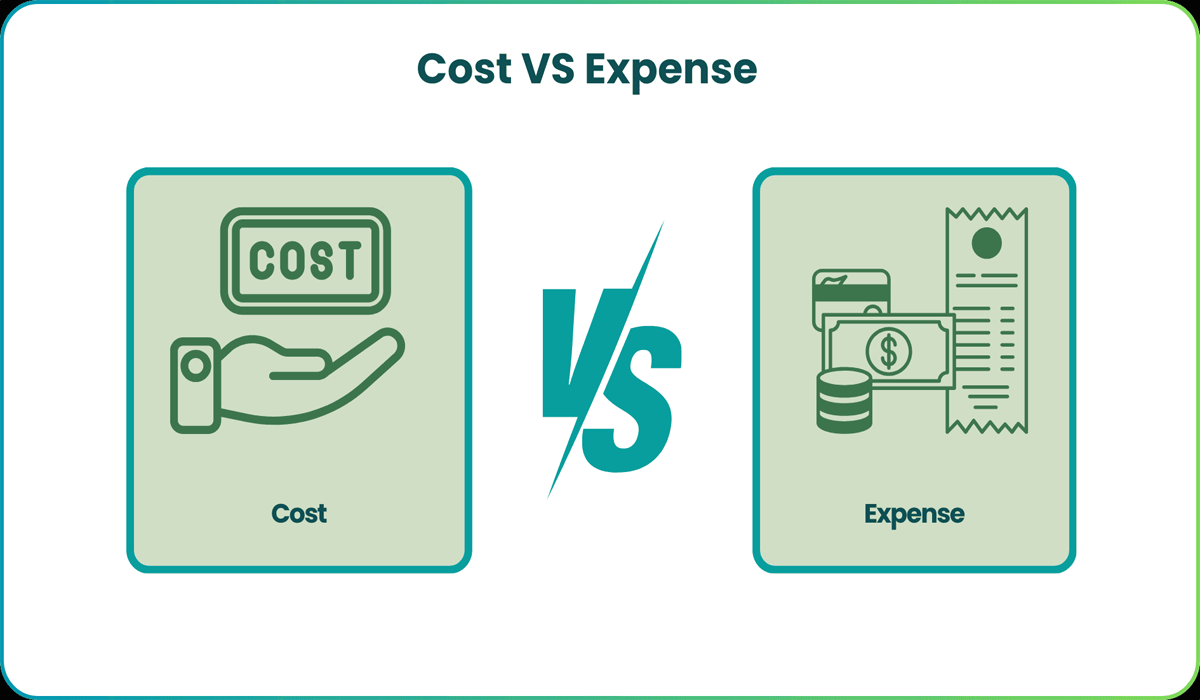
Expenses are what the company spends to run its business, like salaries, rent, and production costs. Breaking these down can reveal a lot about a company’s efficiency. For example, rising expenses without revenue growth is a red flag that the company might struggle to make real profits.
Operating expenses are different from one-time costs, like selling a building or paying a fine. Investors should focus on recurring costs because these affect long-term profitability. Beginners often overlook this, but separating regular expenses from irregular ones gives a clearer picture.
By comparing expenses with revenue, you can calculate profit margins. Healthy margins mean the company keeps a significant part of its earnings. Low margins could suggest the business is spending too much or has pricing challenges. Understanding these details helps beginners choose investments wisely.
Profit, Net Income, and What They Really Mean
Profit is the amount left after subtracting all expenses from revenue. The final line of an income statement usually shows net income—the company’s “true” profit. A growing net income over time is a strong sign of financial stability.
However, don’t focus only on the number itself. Look at trends and compare with competitors. A sudden spike could be due to selling assets, while consistent growth usually comes from successful core operations. For beginners, spotting this difference is key to smart investing.
Net income also affects dividends and reinvestment. Companies that generate steady profit can pay dividends to investors or fund growth initiatives. Understanding profit patterns helps you predict potential returns and make informed investment choices.
Using Income Statements To Make Investment Decisions
Once you understand revenue, costs, and profit, you can make smarter investment choices. Use income statements to compare multiple companies in the same industry. Look for those with consistent growth, healthy margins, and manageable expenses.
Income statements also reveal financial risks. Declining profits, rising costs, or erratic revenue are warning signs. Beginners can avoid potential losses by spotting these issues early, instead of relying on market hype or rumors. Finally, combine income statement analysis with other financial reports like balance sheets and cash flow statements.
Together, they give a complete picture of a company’s financial health. Learning this skill early sets the foundation for long-term investing success. Learn more tips to grow your investments wisely by exploring our complete beginner’s guide to Smart Investing.
Image Source:
First Image from: www.checkatrade.com
Second Image from: www.wallstreetmojo.com
