The stock market can feel intimidating for beginners, prices fluctuate, news spreads fast, and the fear of losing money often overwhelms new investors.

But with the right approach and a clear understanding of the basics, anyone can start investing confidently. Below Investment Ideas For Beginners shares practical tips and strategies to help beginners succeed in the stock market.
Understanding the Basics of the Stock Market
Before investing, it’s essential to understand what stocks really are. A stock represents a small ownership share of a company. When you buy a stock, you own part of that company and may receive a portion of its profits through dividends. Stock prices are influenced by many factors such as company performance, economic conditions, and market sentiment.
Beginners should learn how to read financial statements and recognize market indicators to make smarter investment decisions. Having a solid grasp of the basics helps new investors avoid emotional decisions. Understanding how the market works provides a strong foundation for building a portfolio and planning long-term strategies.
Setting Clear Investment Goals
Every investor should define their goals before entering the stock market. Are you investing for retirement, buying a house, or just growing extra income? Clear goals help determine which stocks or investment instruments are suitable. It’s also important to set a timeline for your investments.
Stocks usually perform better over the long term, as short-term fluctuations can be unpredictable. Planning for the long term helps manage risks and reduces stress during market swings. Clear goals also encourage discipline. When the market becomes volatile, beginners are less likely to panic or make impulsive decisions, staying focused on their long-term objectives.
Learning Stock Analysis
Analyzing stocks is key to making informed decisions. There are two main approaches: fundamental analysis and technical analysis. Fundamental analysis evaluates a company’s health through financial statements, profits, and growth potential, while technical analysis studies price patterns and trading volume to predict stock movements.
Beginners can start with fundamental analysis to choose healthy companies with long-term growth potential. Reviewing annual reports, financial ratios, and industry trends provides a clearer picture before buying a stock. Technical analysis helps identify the best times to buy or sell stocks.
Read Also:Safe Bank Deposits, A Reliable Way To Save And Earn Stable Interest
Effective Risk Management
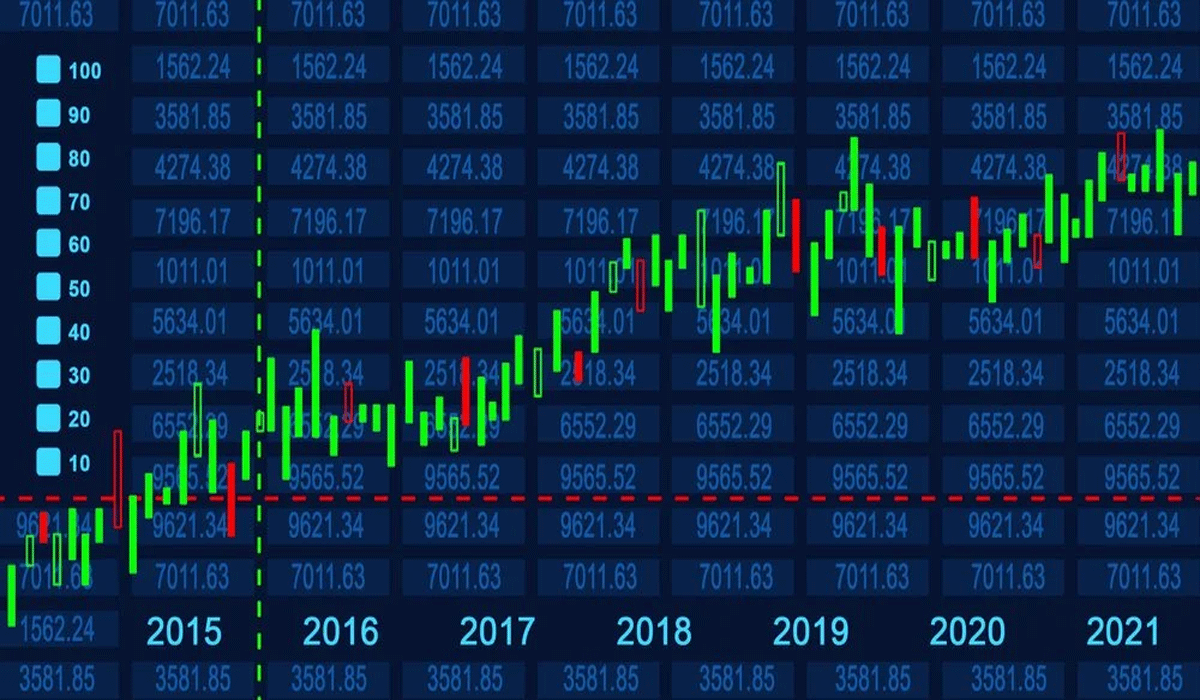
Investing in stocks always carries risk, making risk management crucial. One of the simplest methods is portfolio diversification. Spreading investments across different stocks or sectors reduces the impact of a single stock’s decline. Beginners should also set stop-loss limits. This strategy automatically sells a stock if its price drops to a certain level, preventing excessive losses.
Sticking to stop-loss rules helps control emotional decisions during market volatility. It’s wise to invest only money you can afford to lose, not essential funds for daily expenses. Proper risk management allows beginners to pursue long-term profits without undue stress.
Consistency and Continuous Learning
Success in the stock market doesn’t happen overnight. Consistent investing, both in time and amount, is key. Beginners should start small and gradually increase investments as their knowledge grows. Continuous learning is essential. Markets evolve, and strategies that work today may not work tomorrow.
Following financial news, market analysis, and learning from experienced investors keeps beginners sharp and informed. Tracking every investment decision and reviewing outcomes helps identify mistakes and successes. Over time, reflection improves strategy and confidence, turning beginners into savvy long-term investors.
Follow interesting and reliable developments every day only on Investment Ideas for Beginners.
Image Source:
First Image from //money.kompas.com/
Second Image from //snips.stockbit.com/