
Learn how to read and create a beginner’s income statement to track business finances, profits, and losses efficiently and accurately.
Understanding a business’s finances can feel overwhelming for beginners, but the income statement simplifies the process. Also called a profit and loss statement, this report summarizes revenue, expenses, and net profit over a specific period. For entrepreneurs and small business owners, mastering income statements is crucial for making informed financial decisions.
In this Investment Ideas For Beginners guide, we will outline the essential elements of an income statement and provide practical tips for beginners to read, create, and use it effectively.
Understanding Profit and Loss Reports
An income statement is a financial report that details a company’s revenues, costs, and profits over a defined period, typically monthly, quarterly, or annually. Unlike a balance sheet, which shows assets and liabilities, the income statement focuses on performance and profitability. It helps owners and managers understand whether the business is making money or incurring losses.
For beginners, it’s important to recognize that income statements provide actionable insights. They reveal trends in sales, highlight major expenses, and pinpoint areas where costs can be reduced. Understanding this document allows small business owners to adjust strategies and make informed decisions that support growth.
Main Components of Income Statement
A typical income statement contains three main sections: revenue, expenses, and net profit. Revenue, or sales, is the total amount earned from goods or services. This figure forms the starting point for assessing financial performance. Tracking revenue trends over time helps identify whether the business is growing or experiencing declines.
Next, expenses include costs directly tied to production, such as raw materials, and operating expenses like rent, salaries, and utilities. Separating these expenses into categories ensures clarity and helps identify where money is being spent. Beginners should pay attention to variable and fixed costs to understand which areas can be optimized.
Also Read: Mutual Funds for Beginners: Tips, Tricks, and Investment Ideas
How to Read an Income Statement
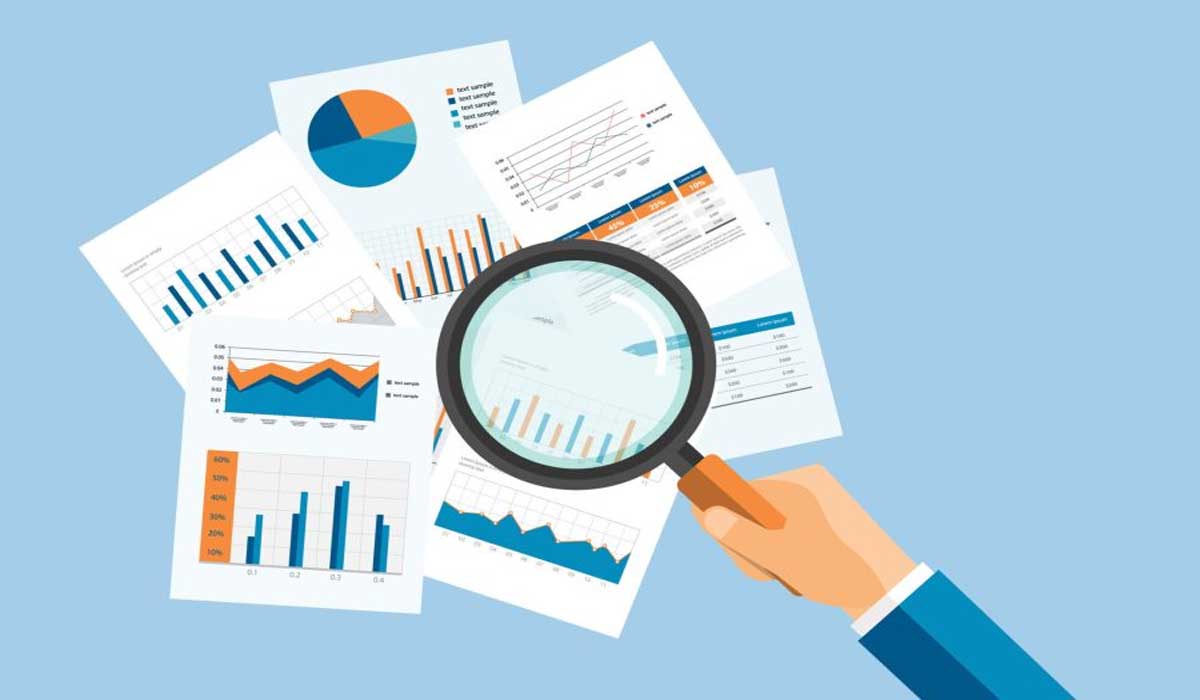
Reading an income statement requires focus on the flow from revenue to net profit. Start by reviewing total revenue, then examine each expense category to see where money is being spent. Comparing revenue and expenses across months or quarters highlights trends and potential issues.
Look for patterns such as increasing expenses that outpace revenue growth, which may indicate inefficiencies or overspending. Additionally, pay attention to gross profit, the difference between revenue and cost of goods sold, as it shows how effectively the business produces and sells its products.
Creating a Profit and Loss Report for Beginners
Creating an income statement for beginners begins with collecting all financial data: sales, cost of goods sold, operating expenses, and other relevant items. Start by listing total revenue, followed by itemized expenses. Ensure that the numbers are accurate and up-to-date to reflect the business’s actual performance.
Next, categorize expenses into meaningful sections such as marketing, utilities, and salaries. This organization allows for a clear overview and easier analysis. Subtract total expenses from total revenue to determine net profit or loss for the period. Finally, review the statement carefully for errors or missing data.
Practical Tips for Using Income Statements
Income statements are not just for record-keeping they are tools for improving business performance. Compare income statements across periods to track growth, identify declining revenue, and evaluate cost efficiency. Monitoring trends enables better planning and budgeting.
Use the statement to make strategic decisions, such as adjusting pricing, reducing costs, or investing in high-performing areas. Beginners should also share income statements with mentors, accountants, or investors for feedback and guidance.
Conclusion
For beginners, mastering the income statement is a fundamental step toward understanding business finances. By tracking revenue, categorizing expenses, and analyzing net profit, small business owners can make informed decisions, optimize operations, and plan for growth.
Creating and reviewing income statements regularly fosters financial discipline and helps prevent costly mistakes. With practice, even beginners can confidently interpret these reports and use them as a roadmap for long-term success.
Image Source:
First Image from: www.lbcarlson.com
Second Image from: www.novoresults.com
