
Embarking on your investment journey can feel thrilling yet overwhelming, especially when starting from zero, but with the right strategies.
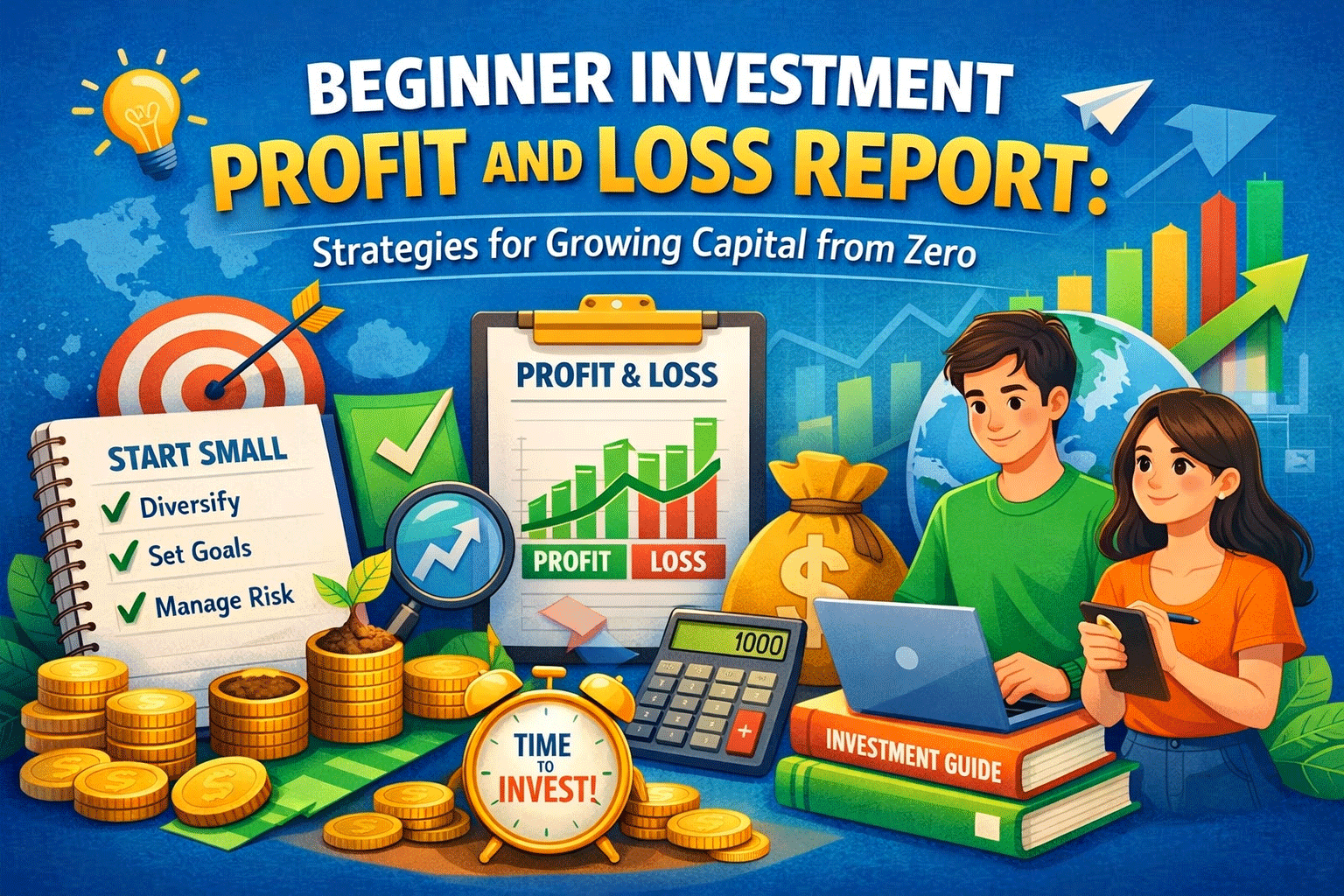
Understanding how profit and loss work is crucial for building wealth over time. By learning effective strategies and maintaining a disciplined approach, beginners can grow their capital while minimizing risks. This guide provides clear steps and insights to start smartly.
Below we Investment Ideas For Beginners will discuss practical steps and effective strategies for beginners to understand profit and loss reports in investments, as well as how to grow capital from zero in a safe and profitable way.
Understanding The Basics of Investment
Investment begins with knowing what you’re getting into. Assets like stocks, bonds, and mutual funds have different risk and return profiles. Beginners must familiarize themselves with these options before committing money.
Profit and loss are the core measures of investment success. Profit occurs when an asset’s value increases, while loss happens when it decreases. Tracking these helps evaluate your strategy and adjust when necessary.
Education is the first step to confidence. Reading books, attending webinars, or using reliable online resources allows beginners to understand market behaviors. Knowledge reduces mistakes and enhances long-term growth.
Setting Realistic Goals And Expectations
Clear goals define your investment path. Decide whether you aim for short-term gains or long-term growth. This focus guides asset selection and risk tolerance.
Expectations should match reality. Investment growth is rarely linear. Accepting occasional losses prevents emotional decisions that could harm your capital. Patience is a vital component of successful investing.
Tracking progress is essential. Use simple spreadsheets or apps to monitor your investments. Seeing patterns over time provides insight into what strategies work best and where adjustments are needed.
Developing a Strategic Approach
Diversification spreads risk across multiple assets. Beginners should avoid putting all funds into a single stock or sector. Balanced portfolios reduce the chance of large losses.
Start small and scale gradually. Investing only what you can afford to lose protects your financial stability. Incremental growth builds confidence and creates a sustainable path to higher profits.
Consistent evaluation enhances strategy. Reviewing your investments weekly or monthly allows you to respond to market changes. Small adjustments can prevent losses and maximize gains efficiently.
Read Also: Smart Ways to Use Compound Interest for Financial Growth
Managing Risk Effectively

Risk management protects your capital from major setbacks. Setting stop-loss orders or automatic limits ensures losses don’t spiral out of control.
Understanding your risk tolerance is crucial. Some investors prefer safe, stable returns, while others pursue high-risk, high-reward opportunities. Aligning choices with comfort levels reduces stress and rash decisions.
Emergency funds are part of risk strategy. Maintaining liquidity for unexpected expenses prevents you from selling investments at a loss. Financial security outside investments supports long-term growth.
Measuring Performance And Learning from Experience
Regular reporting keeps you informed. Profit and loss statements summarize gains, losses, and overall performance. Beginners should review these reports to guide future decisions.
Reflecting on mistakes provides growth opportunities. Every loss teaches what strategies to adjust. Keeping a record of decisions helps refine approaches and avoid repeating errors.
Conclusion: Growing capital from zero requires patience, discipline, and strategic planning. Beginners who understand investment basics, set realistic goals, diversify, manage risks, and track performance increase their chances of success. Consistent learning and adaptation turn small investments into meaningful financial growth over time.
For more detailed guidance on beginner investment strategies, check out this Investment Ideas For Beginners to deepen your knowledge and skills.
Image Source:
- First Image tarunblogs.com
- Second Image skefto.com
