In today’s modern era, investment has become one of the primary ways for people to grow their wealth and achieve financial independence.

However, behind the promising opportunities for profit, there are various risks that can threaten the capital invested. Therefore, understanding how to manage risk in the world of investment is very important for every investor, both beginners and experienced ones. This article Investment Ideas For Beginners will discuss various strategies and approaches that can be used to minimize losses and maximize investment results in a wise, sustainable, and effective way for long-term financial success.
Understanding Types of Investment Risk
Investment risk can appear in many forms, ranging from market risk, liquidity risk, to inflation risk that affects the value of assets. Each type of risk has different characteristics and varying impacts on an investor’s portfolio. Therefore, understanding each type of risk is an essential first step before deciding to invest in certain instruments such as stocks, bonds, or mutual funds.
In addition, investors must also realize that risk cannot be completely eliminated, but it can only be managed with the right strategy. This awareness helps investors not only focus on potential returns but also consider possible losses that may occur. With a good understanding, investors can make more rational and measured decisions in facing market dynamics.
Diversification as a Key Risk Management Strategy
Diversification is one of the most effective strategies in managing investment risk by spreading funds across different instruments or asset classes. By not placing all capital into a single type of investment, investors can reduce the potential for significant losses when one asset experiences a decline in value. This strategy is widely used by professional investors to maintain portfolio stability.
In addition to spreading investments, diversification also helps create a balance between risk and expected return. Investors can combine high-risk assets with more stable ones to achieve long-term financial goals. In this way, market fluctuations will not significantly affect the overall value of the portfolio.
Read Also: The Hidden Formula Professional Investors Use to Pick Stock Winners
Emotional Management in Investment Decision Making
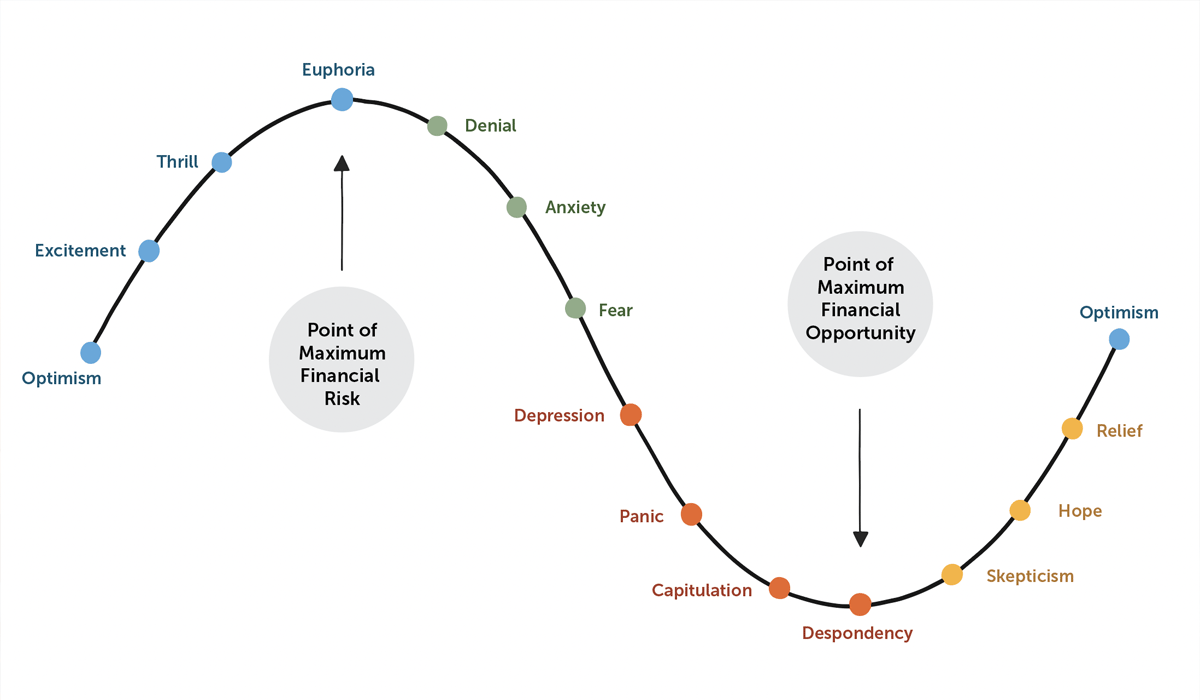
Many investors experience losses not because of a lack of knowledge, but because they are unable to control their emotions when facing market fluctuations. Fear and greed often become the main factors that drive irrational investment decisions. Therefore, emotional management becomes an important part of risk control.
Investors who are able to remain calm in volatile market conditions tend to make more rational and wise decisions. By having a clear investment plan and maintaining discipline in following it, they can avoid impulsive and harmful decisions. This helps maintain consistency in long-term investment strategies.
Financial Planning and Investment Goals
Solid financial planning is the main foundation in effectively managing investment risk. By setting clear investment goals, investors can determine strategies that match their risk profile. This helps avoid unfocused investment decisions that may lead to losses.
In addition, regular evaluation of the investment portfolio is also very important to ensure that the strategy used is still relevant to market conditions. Investors need to readjust asset allocation if there are changes in the economy or financial goals. In this way, risk can be controlled more optimally.
Conclusion
In conclusion, risk management in the world of investment is an inseparable aspect of achieving long-term financial success. Every investor needs to understand that high returns always come with a certain level of risk. Therefore, risk management strategies such as diversification, financial planning, and emotional control must be applied consistently. With a disciplined and measured approach, investors can minimize potential losses while increasing opportunities for sustainable profits.