In the world of business, understanding a company’s financial condition is crucial for making informed and strategic decisions.
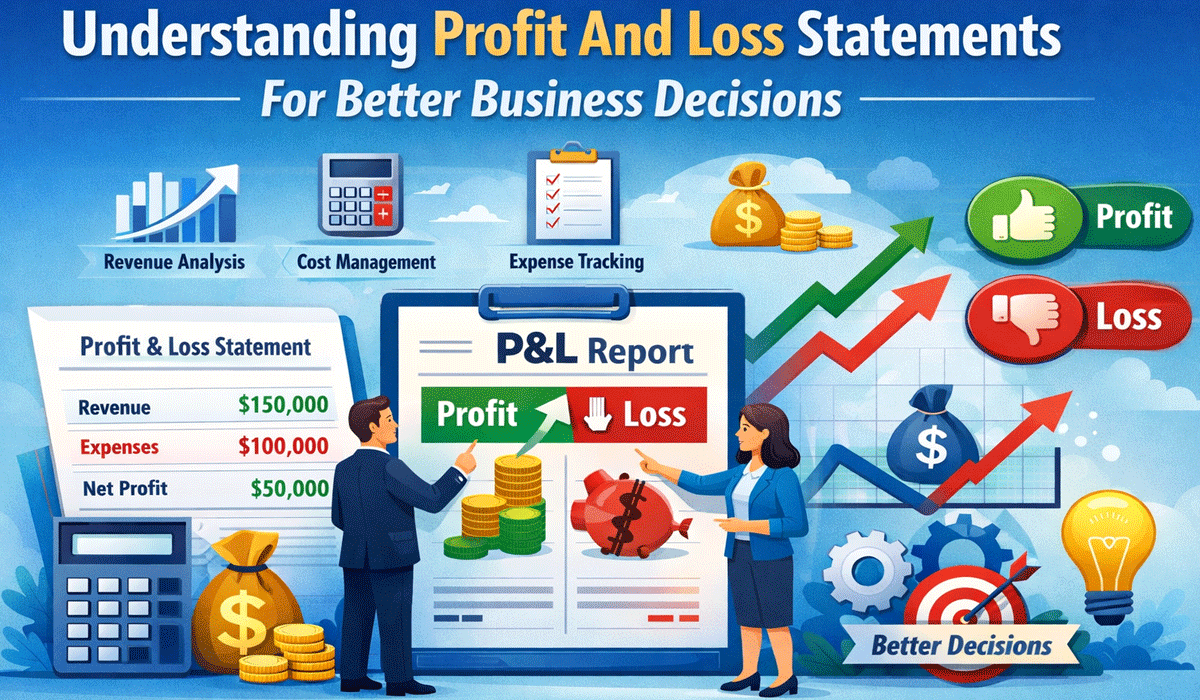
One of the most important tools to evaluate financial health is the profit and loss statement. Many business owners often overlook the details of this statement, yet the insights it provides can determine the direction of business growth. This article Investment Ideas For Beginners explores how to understand profit and loss statements to make better business decisions.
What Is A Profit And Loss Statement
A profit and loss statement is a financial document that details a company’s revenue, expenses, and profit or loss over a specific period. This statement helps business owners determine whether their company is making a profit or experiencing a loss. Understanding this document allows entrepreneurs to recognize operational efficiency and growth opportunities.
Typically, a profit and loss statement includes total revenue, operating expenses, production costs, and net profit. Each component provides insight into areas that may need attention or strategic adjustment. For instance, if operating costs are too high compared to revenue, a company may need to review internal processes or reduce unnecessary expenses.
Moreover, profit and loss statements are not only useful for internal purposes but also critical for external stakeholders like investors, creditors, and financial analysts. They rely on this information to evaluate financial health and growth potential. Therefore, understanding this statement is a fundamental step toward making data-driven business decisions.
Key Components Of A Profit And Loss Statement
The key components of a profit and loss statement are revenue, expenses, and net profit. Revenue represents the total money earned from product or service sales. Expenses include both fixed and variable costs necessary to operate the business. Net profit is the difference between revenue and all expenses incurred.
Grasping these components helps business owners analyze profitability and operational efficiency. For example, a low net profit despite high revenue indicates excessive costs or inefficiencies in operations. A detailed analysis of these elements allows for strategic adjustments and more effective resource management.
Other important terms, such as gross margin and operating margin, often appear in a profit and loss statement. Gross margin shows how efficiently a company generates profit from production, while operating margin reflects how well the company manages its operating costs. Understanding both metrics provides a clearer picture of overall financial performance.
How To Read A Profit And Loss Statement
Reading a profit and loss statement requires an analytical approach to maximize its value. The first step is to review total revenue and compare it with previous periods to understand growth trends. Is revenue increasing or decreasing? This insight is vital for evaluating the overall business direction.
Next, analyzing expenses is crucial. Identify fixed and variable costs and determine if any expenditures can be reduced without affecting product or service quality. Understanding the cost structure enables the company to make more efficient decisions and improve profitability.
Finally, examine net profit and margins. A positive net profit indicates a company is earning, while healthy margins signal operational efficiency. With this information, business owners can make strategic decisions, such as investing for expansion, reducing costs, or developing new products.
Also Read: The Hidden Formula Professional Investors Use to Pick Stock Winners
Benefits Of Using Profit And Loss Statements
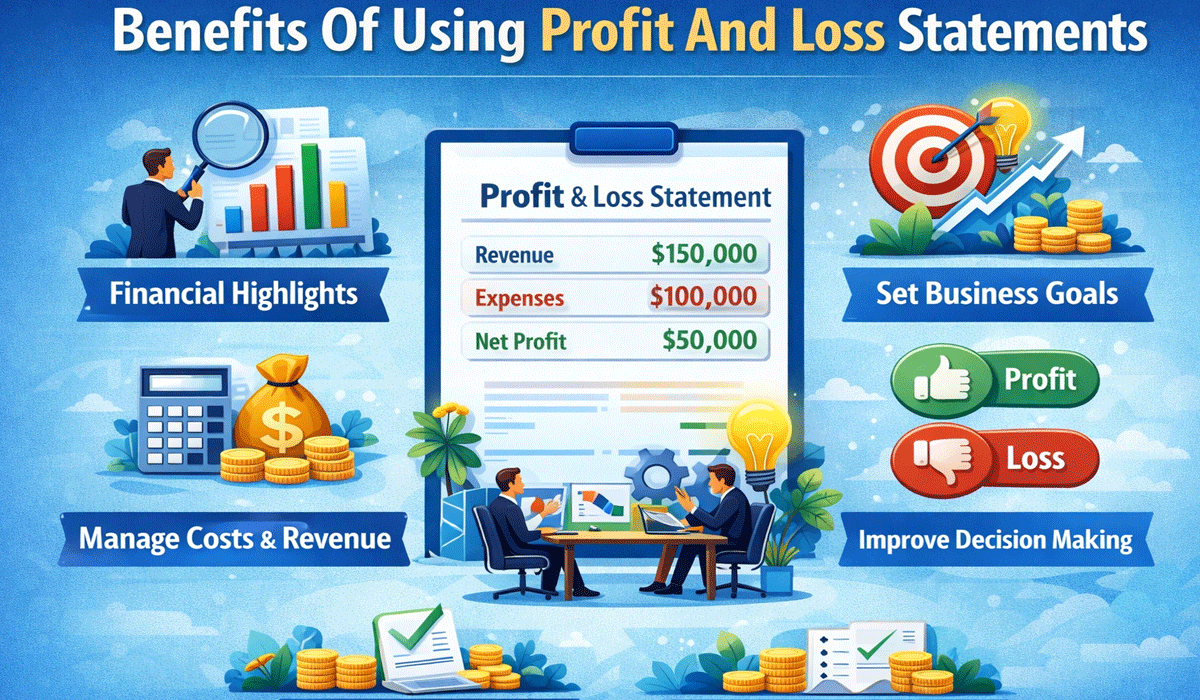
Profit and loss statements offer significant advantages for business decision-making. First, they help identify profitable areas and areas that are losing money. This allows business owners to focus on strategies that yield positive results and improve underperforming areas.
Second, these statements facilitate budgeting and financial management. By understanding revenue flows and expenses, companies can make realistic financial projections and avoid potential risks. This information also guides decisions regarding spending and investment more prudently.
Third, profit and loss statements increase business transparency for owners, employees, and investors. A clear and accurate statement provides an objective view of financial health, enabling all stakeholders to make decisions based on real data. Transparency also enhances investor and partner confidence.
Tips For Maximizing The Use Of Profit And Loss Statements
To get the most value from a profit and loss statement, business owners should take several strategic steps. First, record all transactions accurately and consistently. Proper record-keeping simplifies analysis and prevents errors in evaluating business performance.
Second, use the statement as a tool for regular evaluation. Conduct monthly or quarterly reviews to assess revenue and expense trends. Identify the root causes of losses and implement corrective measures promptly. Regular evaluation ensures consistent financial health.
Third, combine profit and loss statements with other financial reports such as the balance sheet and cash flow statement. Comprehensive analysis across multiple financial statements offers a full picture of the company’s condition. With complete information, decision-making becomes smarter and more data-driven.
Conclusion
Understanding profit and loss statements is fundamental for making smart business decisions. These statements provide essential insights into revenue, expenses, and company profitability. With a solid grasp of this information, business owners can identify profitable areas, manage costs efficiently, and plan growth strategies effectively.
Additionally, profit and loss statements support budget planning, enhance transparency, and enable regular evaluation. Proper analysis turns these statements into a basis for accurate and strategic decision-making. Owners who understand their profit and loss statements gain a competitive advantage in navigating market challenges.
Ultimately, using a profit and loss statement is not just about recording numbers but about understanding the story behind those numbers. This knowledge empowers business owners to make decisions that are intelligent, efficient, and sustainable, ensuring stable and profitable growth for the company. Don’t miss out! Keep following our page for upcoming news, only on Investment Ideas For Beginners.
Image Source From
First Photo From: Investment Ideas For Beginners
Second Photo of: Investment Ideas For Beginners